


I’m a greeny!

Updated: Apr 20
Not in a political sense – in a “naturally drawn to it” sense.
🌳 I spent a full day this week listening to the recording of a recent BCC Coaching with Nature conference in the UK. The key take-out being that nature is calming, opens up creativity, and provides a break from our (mostly) grey working lives. Thanks to those who organised and presented (Judit Ábri von Bartheld MA, MCC, ACTC, Jonathan Passmore and many many more). I loved it.
🎨 I’ve also been thinking about an art class I did over summer on colour – the science and history of colour, pigments, paint types, and the magic of mixing them. I learnt lots.
Connecting these ideas…
🔬 The science part
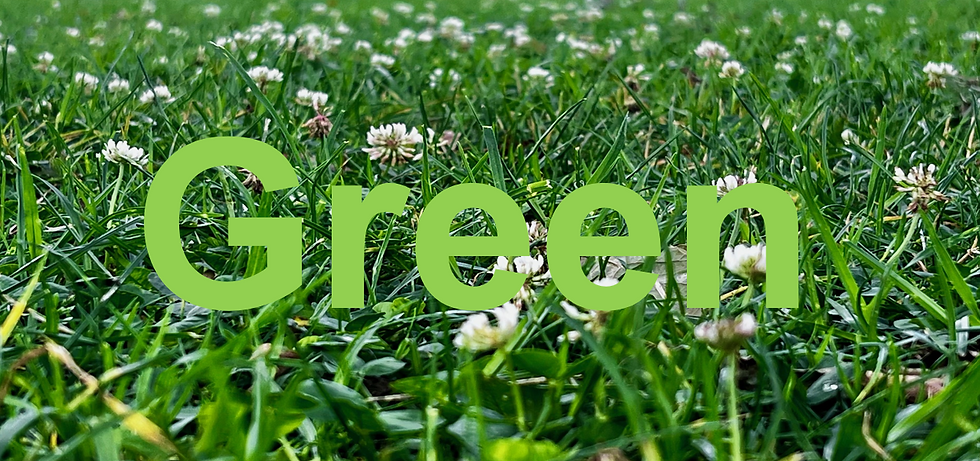
Our retina has three types of colour receptors (blue, green and red). The green-sensitive ones sit in the middle and are in the best position to process brightness and detail. In simple terms: green is one of the easiest colours for our visual system to process.
🧬 The evolutionary part
For most of human history, green meant life and safety. Vegetation, water, shelter, food. So it’s not surprising that green environments often feel steady, calming, and restorative.
🤝 The coaching part
If you’ve worked with me, you might notice how colourful my slides are — often using greens and blues (another favourite).
You might also notice the high use of analogy in my work – often drawn from nature. Trees, birds, seasons, landscapes, weather systems, growth cycles. It shows up a lot.
And if the weather is nice and the location suitable, we might work outside. In direct contact with green.
I don’t consciously set out to use nature – but now that I think about it, the colours, language, metaphors, and environments I’m naturally drawn to bring nature into conversations – creating calm, unlocking creativity, and stepping away from grey working.
Perhaps I’m more of a greeny than I thought!
If you or your team would like a little more green in your lives, please get in touch. I’d love to have a chat about nature and coaching.


Comments